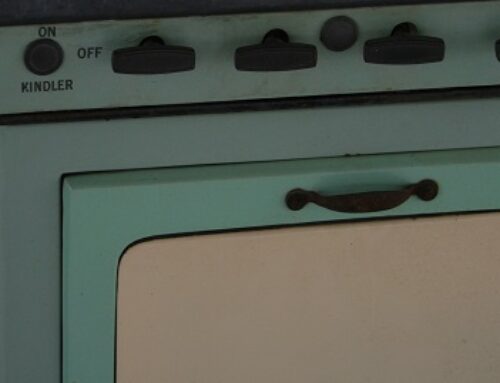
Cleaning the oven is rarely anyone’s favorite weekend chore. Baked-on grease, spilled casserole drips, and months of burnt residue can make the inside of your range look pretty intimidating. When faced with a dirty oven, hitting that self-clean button feels like the ultimate shortcut. You just press a button, wait a few hours, and wipe away the ash. But is that high heat actually good for your appliance?
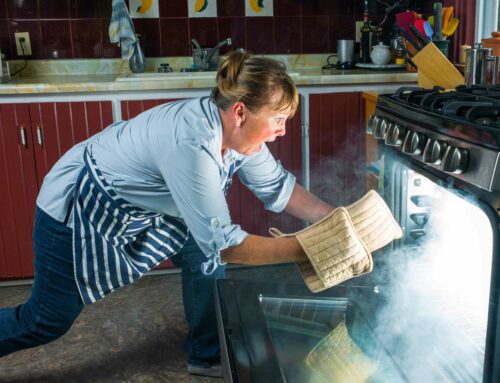
At Aggieland Appliance Repair, we see a lot of broken ovens, and a surprising number of them have one major thing in common. It’s often that the homeowner just ran a self-clean cycle. While manufacturers include this feature to make life easier, the reality under the hood is often quite different.
The Reality of the Self-Clean Cycle
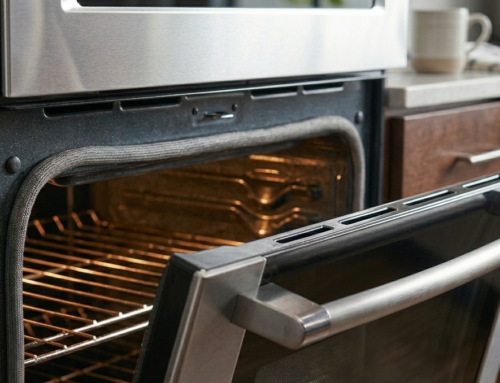
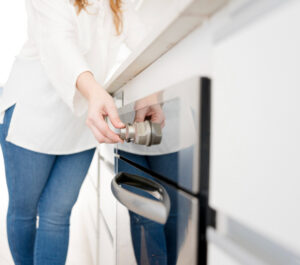 To understand why self-cleaning can be problematic, you have to look at how the cycle actually works. To turn that baked-on grease into fine ash, your oven has to crank up the temperature to extreme levels (often anywhere between 800 and 1,000 degrees Fahrenheit). It then sustains this high temperature for three to four hours straight. While the heavy insulation inside the oven cavity is designed to contain that heat, the delicate mechanical and electronic components surrounding it aren’t always up to the challenge.
The Most Common Heat-Related Breakdowns
The most frequent casualty of the self-clean cycle is the electronic control board. These “brains” of the appliance are packed with wires and sensitive circuits that can easily melt or warp when exposed to extreme, prolonged heat. If the control board cooks, your entire oven goes dead.
Another frequent issue we run into is a blown thermal fuse. The fuse is a safety feature meant to cut off power if the oven overheats, but the self-clean cycle regularly pushes it right to its breaking point, causing it to trip and leave you with an oven that refuses to turn back on.
Why Manual Cleaning Is Safer for Your Appliance
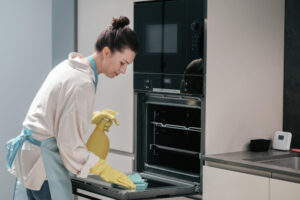 So, what about manual cleaning? It definitely takes a bit more elbow grease, but from a repair technician’s perspective, it is by far the safer choice for the longevity of your appliance. Manual cleaning completely eliminates the risk of frying your oven’s electrical system, damaging the temperature sensors, or warping the inner racks. Taking a manual approach keeps the internal temperature at a baseline normal, ensuring no hidden parts are pushed past their mechanical limits.
Tips for Safely Cleaning Your Oven by Hand
If you decide to clean your oven manually, just keep a few safety tips in mind. If you’re using store-bought commercial oven cleaners, be very careful not to spray them directly onto the heating elements or the temperature sensor, as the chemicals can corrode them over time.
For a safer, completely natural alternative, a simple paste made of baking soda and water works wonders. Spread it over the grime, let it sit overnight, and then spray a little vinegar on it the next morning before wiping it clean. Just make sure to avoid getting the igniters or electrical panels wet.
When to Call the Pros
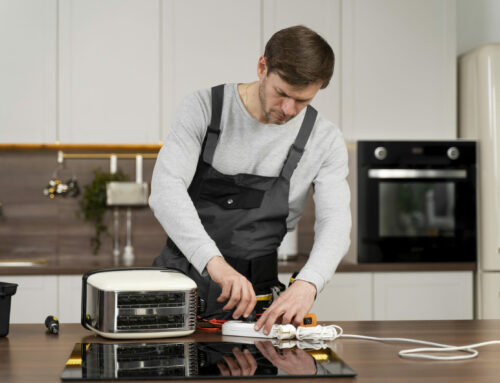
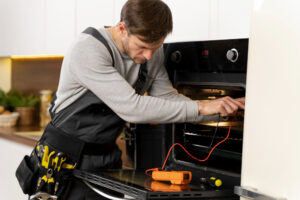 While the self-clean button is incredibly convenient, using it is always a bit of a gamble with your appliance’s lifespan. If you want to keep your oven running efficiently and avoid unnecessary repair bills, sticking to a manual scrub every few months is your best bet. If your oven has already gone completely dead after a heavy cleaning cycle, or if it isn’t heating up properly for your next meal, don’t sweat it.
We handle everything from faulty heating elements to fried control boards in Tyler and the surrounding Smith County area. Give us a call at 903-330-9348 or schedule your repair online today.