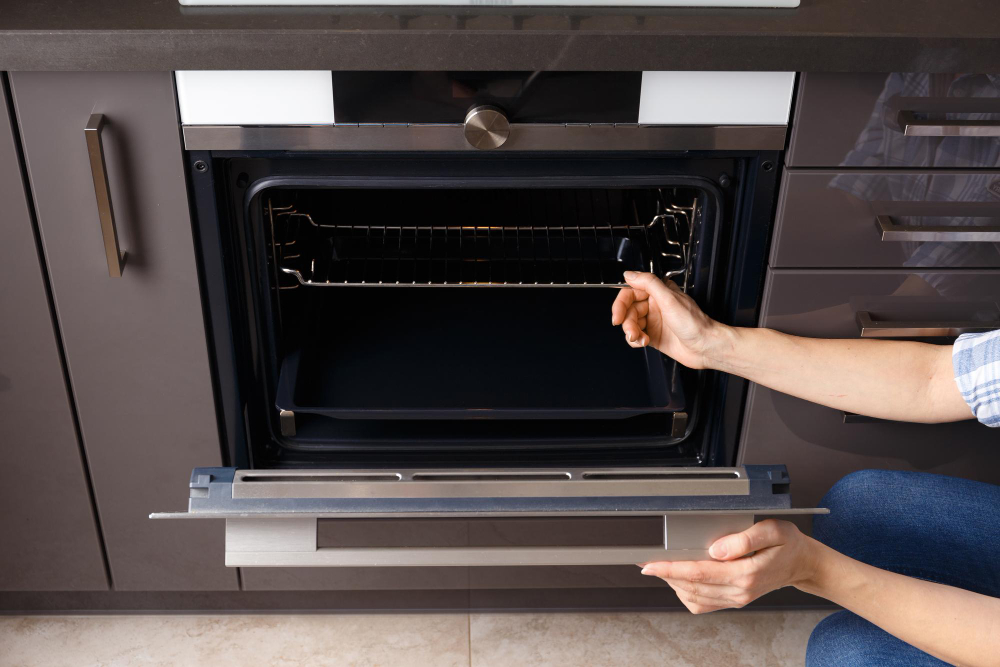
You’ve got dinner ready to go, but your oven still hasn’t finished preheating. You check the temperature, give it a few more minutes, and wonder why something that used to be so simple is suddenly holding up your evening.
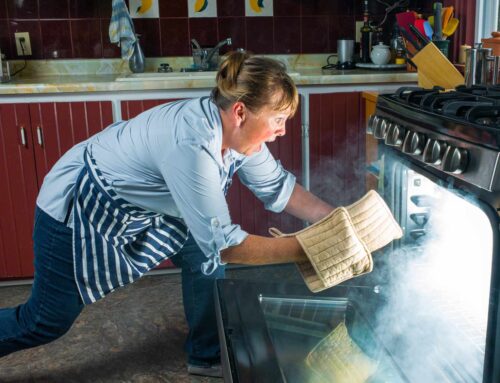
An oven that’s taking longer than usual to heat up could need a simple adjustment or a repair. Here are a few common reasons for slow preheating and what you can do about them.
How Long Should an Oven Take to Preheat?
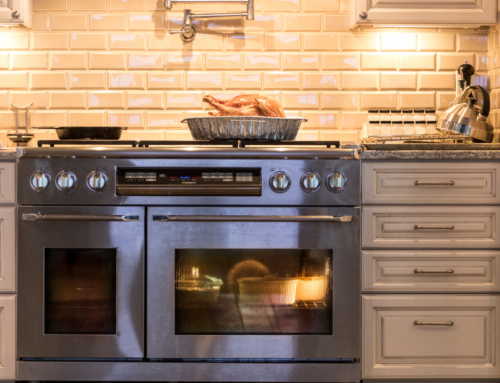
 Many ovens take around 10 to 20 minutes to preheat, depending on the model and temperature you’ve selected. Larger ovens and models with hidden heating elements may take longer, so check your owner’s manual before assuming something’s wrong.
The bigger clue is a change in your oven’s usual performance. If it’s taking noticeably longer to reach the same temperature than it used to, it’s worth looking into.
Extra Items Could Be Slowing Things Down
Do you keep extra racks, baking sheets, or a pizza stone in your oven? Those items have to warm up too, which can add to your wait.
Before turning on a cool oven, remove cookware and racks you won’t need. If your recipe calls for a preheated pizza stone, leave it in and allow extra time.
Keep the door closed while the oven heats. Opening it repeatedly to check the temperature lets heat escape and makes the process take longer.
The Door May Not Be Closing Properly
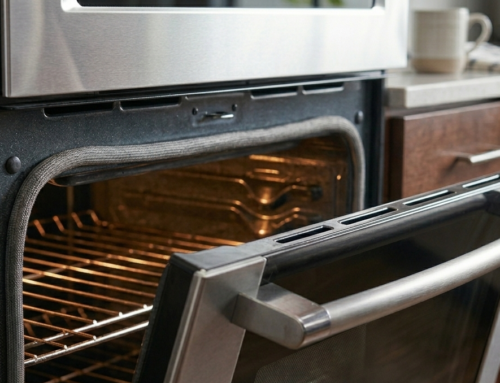
 Your oven needs to hold heat inside to warm up efficiently. A damaged door seal or a rack sticking out too far can keep the door from closing properly.
With the oven off and completely cool, check that the racks are seated correctly. Look for fraying, loose sections, or damage around the door gasket.
Don’t scrub or pull on the gasket. Follow your manual’s cleaning instructions, and have a damaged seal or a door that won’t close properly checked by a technician.
An Electric Heating Element Could Be Failing
An electric oven can still produce some heat even when one of its heating elements isn’t working. That can make the problem less obvious than an oven that stays completely cold.
You might also notice that food takes longer to bake or isn’t cooking the way it normally does.
Once the oven has cooled, you can look for visible damage on exposed elements without touching or removing them. Some elements are hidden beneath the oven floor, so you won’t be able to inspect them yourself. A technician can test the heating system and replace a faulty part.
A Gas Oven May Have an Igniter Problem
 Gas ovens rely on an ignition system to light the burner. If that system isn’t working properly, the oven may struggle to heat or fail to heat at all.
This isn’t a repair to tackle by adjusting gas connections or repeatedly restarting the oven. Have a qualified technician inspect it and determine whether the igniter needs replacement.
Get Dinner Back on Schedule
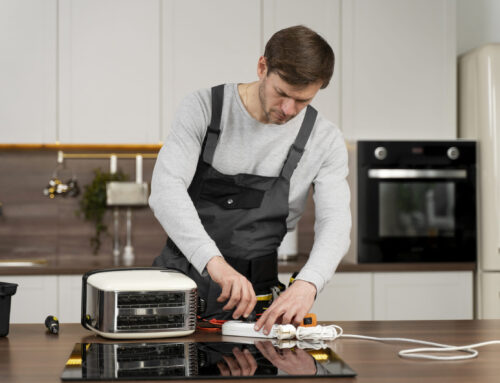
If removing extra cookware and checking the door doesn’t help, it’s time to schedule oven repair. Let your technician know how long preheating takes, the temperature you’re selecting, and whether your baking results have changed.
At Aggieland Appliance Repair, we help homeowners in Bryan and College Station get their appliances working again. If a slow oven keeps delaying dinner, don’t cuss. Call us at 979-595-4200 to schedule a repair!